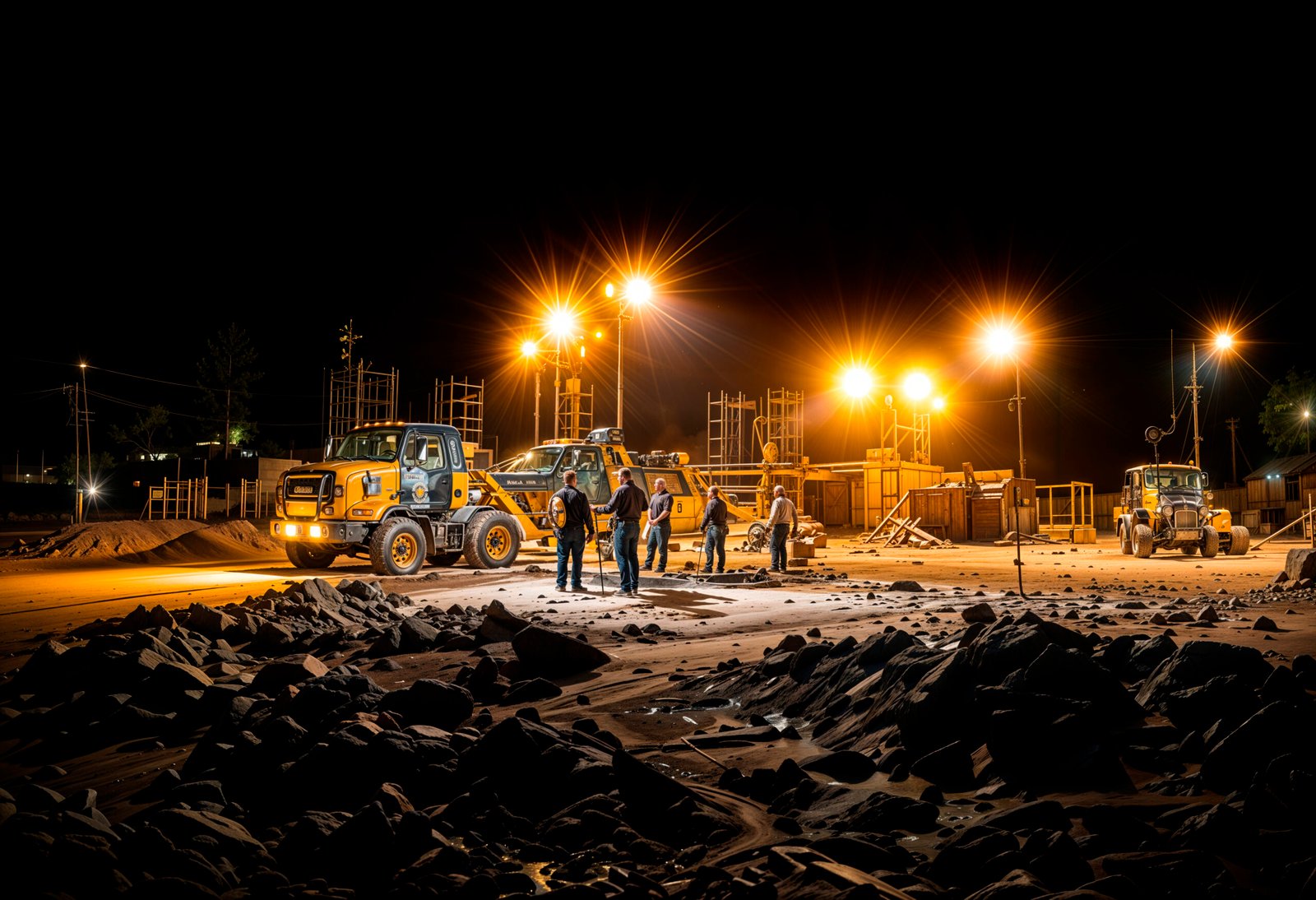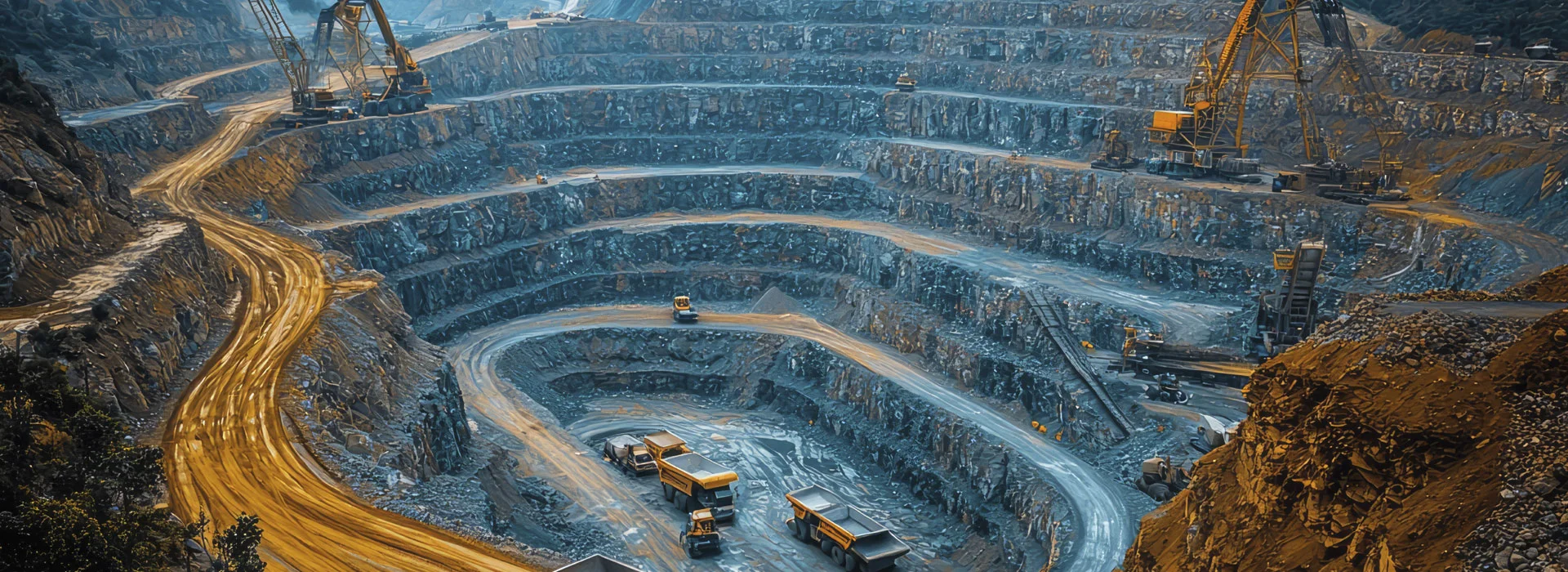

In a world increasingly shaped by digital assets, technology valuations, and financial engineering, the case for natural resources can seem unfashionable. Mining, energy, agricultural commodities, and strategic minerals are old economy assets, the argument goes, and serious investors should be looking forward, not backward.
This framing is mistaken, and for investors with genuine long-term horizons, it is a costly mistake. Natural resources are not a relic of an earlier economic era. They are the physical foundation of every economy on earth, including the digital ones. The silicon in semiconductors is mined. The lithium in electric vehicle batteries is extracted. The copper in every data center, solar installation, and electric grid is produced by mining operations working assets that took decades to develop.
At Mangena Capital, natural resources represent a core investment focus not out of tradition, but out of conviction. Here is the case, as the firm sees it.
Structural Demand That Does Not Diminish
The most fundamental argument for natural resources as a long-term investment category is the structural nature of demand. The world requires minerals, metals, and energy to function. As the global population grows, as emerging market economies industrialize, as energy transition programs accelerate, and as technology infrastructure expands, the quantity of natural resources required to support economic activity increases, not decreases.
Consider the specific case of strategic minerals. The energy transition, widely discussed as a shift away from fossil fuels, is in practice an enormous increase in demand for minerals: lithium, cobalt, nickel, manganese, copper, and rare earth elements are all required in vastly larger quantities to manufacture batteries, electric vehicles, solar panels, and wind turbines. The International Energy Agency has estimated that a clean energy economy requires up to six times more minerals than the current fossil fuel-based system. The transition is not reducing resource demand; it is redirecting and amplifying it.
This structural demand story is durable. It is not dependent on a particular macroeconomic cycle, a specific government policy, or a technology trend that might reverse. It is embedded in the physical requirements of modern civilization.
Supply Constraints and the Development Gap
The demand story is only half the investment case. The other half is supply, and supply, for natural resources, is fundamentally constrained in ways that create lasting investment opportunity.
Developing a new mine from discovery to production typically takes ten to twenty years. It requires geological assessment, feasibility studies, environmental approvals, community engagement, infrastructure development, financing, construction, and commissioning. At each stage, capital, expertise, and patience are required in substantial quantities.
The result of this long development cycle is that supply cannot respond quickly to demand signals. When commodity prices rise, new supply cannot arrive within months; it takes years. This lag creates extended periods of price elevation that reward investors who positioned early, in assets with sound fundamentals, before the demand signal became obvious to the market.
The underinvestment in new mining and energy development that characterized much of the 2010s has created a structural supply gap that is becoming increasingly visible in commodity prices across multiple categories. For disciplined investors with the capability to identify, evaluate, and finance resource development projects, this gap represents genuine opportunity.
Asset Backing and Tangible Value
Natural resource investments have a characteristic that financial assets fundamentally lack: they are backed by something real and tangible. A mining project sits on mineral reserves that exist in the ground, independently of market sentiment, interest rates, or financial system dynamics. An energy asset produces hydrocarbons whose physical value is determined by global commodity markets, not by a discounted cash flow model built on optimistic assumptions.
This tangibility matters in an environment where financial asset valuations have reached levels that depend on sustained low interest rates and persistent optimism about future earnings. When financial asset prices correct, real assets frequently hold their value better, sometimes improving significantly as capital seeks the security of tangible, income-producing investments.
The Importance of Entry Point and Structure
The case for natural resources as an asset class does not mean that every resource investment is a good investment. Geology, jurisdiction, operating partners, capital structure, commodity exposure, and entry valuation all determine whether a specific investment creates or destroys value.
Mangena Capital’s approach to natural resource investment reflects this understanding. The firm does not simply seek commodity exposure. It evaluates specific projects against a detailed set of investment characteristics: strong underlying asset value, clear pathways to operational cash flow, experienced operating partners, strategic relevance within global supply chains, and capital structures that provide meaningful downside protection.
Each investment must demonstrate these characteristics before capital is committed. The result is a portfolio approach where resource exposure is built through carefully selected, fundamentally sound investments, not through broad, undifferentiated commodity bets.
Long-Term Thinking in a Short-Term World
Perhaps the most important dimension of natural resource investing is the time horizon it demands. Resource assets do not typically deliver their full potential in the first year or two after investment. They require sustained development, operational scaling, and often navigating through commodity price cycles before reaching the value that patient capital can capture.
This demands a different kind of investor: one with genuine long-term conviction, proprietary capital that is not subject to redemption pressure, experienced operating partner relationships, and the analytical capability to evaluate asset fundamentals rather than near-term price charts.
Mangena Capital is structured precisely to meet these demands. Operating from Dubai, with deep operator relationships across Africa and the Americas, the firm approaches natural resource investment as a patient, disciplined, fundamentals-driven process—one that is built for the long-term value creation that this remarkable asset class can deliver.