
Table of Contents
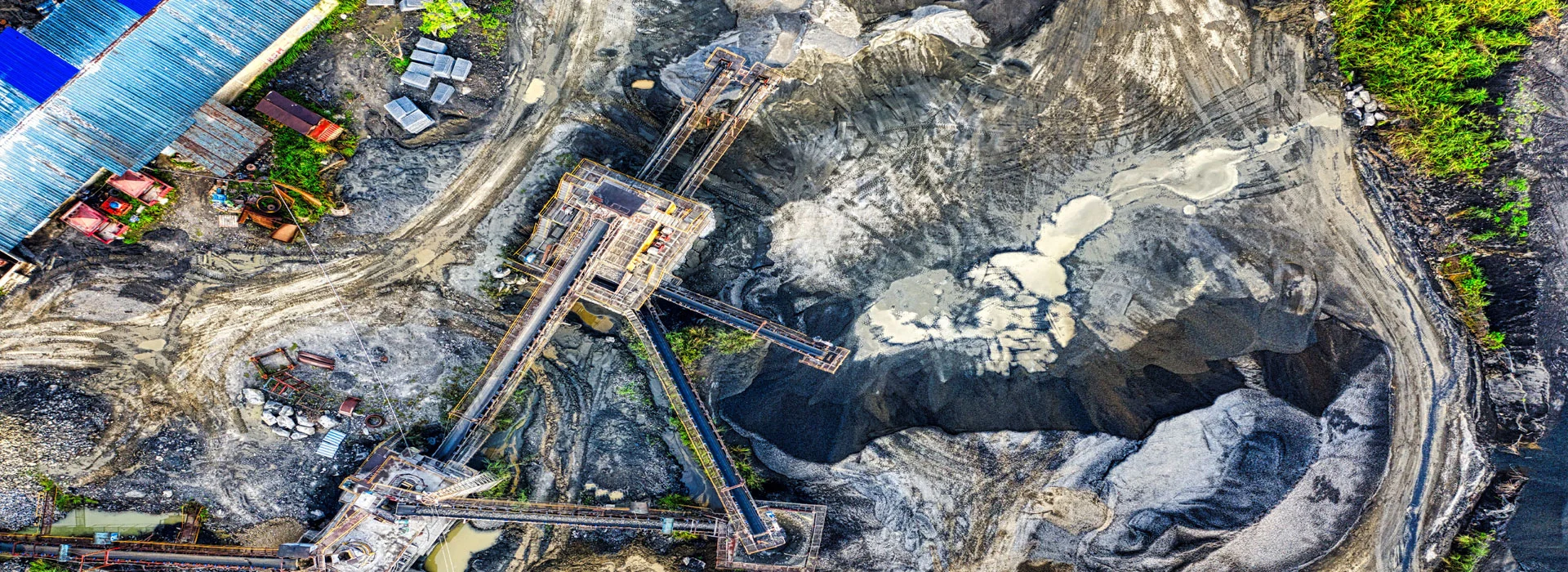
Mining has undergone a dramatic revaluation as an investment category in recent years. What was once a sector associated primarily with boom-bust cycles, environmental controversy, and operational complexity is now being reconsidered through the lens of critical minerals scarcity, energy transition demand, and the growing recognition that without mining, there is no decarbonization. The metals and minerals that underpin solar panels, wind turbines, electric vehicles, and grid storage copper, lithium, cobalt, nickel, and manganese can only be sourced from the ground, and the supply of quality deposits is finite.
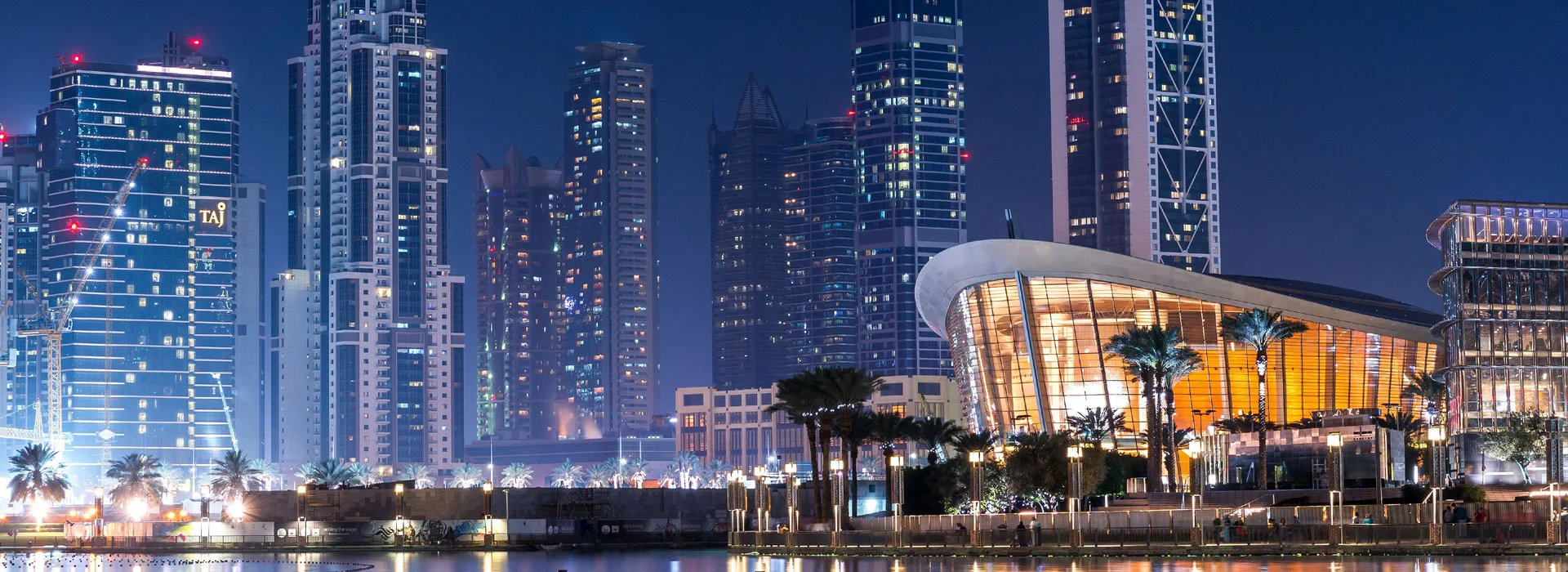
Mining investment Dubai sits at an interesting intersection in this conversation. Dubai has emerged as a growing center for commodity trading, resource finance, and mining sector investment activity, building on the city’s existing strengths in cross-border commerce, Islamic finance, and its geographic proximity to some of the world’s most significant mining jurisdictions in Africa and Central Asia. For investors seeking exposure to the mining sector from a credible, internationally regulated financial center, Dubai offers growing but still underpublicized advantages.
This article examines the key value drivers that sophisticated investors analyze when building mining investment strategies, and why Dubai’s infrastructure positions it as a relevant and growing platform for accessing this asset class.
Critical Minerals Investment: The Structural Case
The critical minerals investment thesis is one of the clearest structural cases in the current investment environment. The energy transition requires enormous quantities of specific metals: the International Energy Agency estimates that a net-zero scenario would require a sixfold increase in critical mineral supply by 2040. This demand is not theoretical; it is embedded in government policy mandates, automotive sector OEM commitments, and grid infrastructure investment programs across the developed world.
- Copper is needed in quantities 4x current production for electrification of global transport and grid
- Lithium demand from battery manufacturing is forecast to grow 40x by 2040 in net-zero scenarios
- Cobalt and nickel are essential battery cathode materials with limited and concentrated supply
- Rare earth elements are critical to wind turbine and EV motor manufacturing with high supply concentration
Why Supply Cannot Easily Match Demand Growth
One of the most powerful aspects of the critical minerals investment thesis is the supply-side constraint. New mining projects take 10–20 years from discovery to production. Environmental permitting, community consultation, infrastructure development, and capital market funding must all align for a project to advance. The result is a structural lag between demand signals and supply response, a lag that creates persistent pricing power for producing assets and development projects that are already in the pipeline.
- Average time from discovery to production for major copper mines is now 16 years
- ESG-linked permitting requirements have increased project development timelines in developed jurisdictions
- African and Central Asian deposits offer faster-track development with appropriate risk management
- Supply concentration in politically sensitive jurisdictions (Congo, China) adds scarcity premium
Mining Equity Analysis: What Value Drivers to Focus On
Mining equity analysis requires a framework that integrates geological, operational, financial, and jurisdictional variables simultaneously. Unlike financial services or technology businesses, mining companies cannot improve their fundamental resource base through operational decisions alone; the quality and location of the ore body are fixed at the point of discovery. This makes resource quality assessment the first and most fundamental step in any mining investment analysis.
- Reserve grade and resource scale determine the asset’s life-of-mine production profile
- Processing metallurgy affects recovery rates and, therefore, unit economics
- Mine site infrastructure requirements (water, power, roads) directly impact capital intensity
- Royalty and tax regime in the host jurisdiction affects net back to the investor
Base Metals Portfolio Construction: Diversification Principles
Building a diversified base metals portfolio requires balancing exposure across metals with different demand profiles, different supply dynamics, and different price cycle characteristics. Copper offers broad electrification exposure. Nickel and lithium are more specifically linked to battery technology. Zinc and lead are more traditional industrial metals with different demand drivers. A well-constructed base metals portfolio captures the structural theme while managing commodity-specific concentration risk.
- Copper provides the broadest and most durable energy transition demand exposure
- Lithium offers the highest expected demand growth but carries higher battery technology substitution risk
- Zinc and aluminum provide industrial exposure less dependent on energy transition dynamics
- Gold and silver provide portfolio insurance characteristics alongside industrial applications
Resource Project Finance: How Mining Deals Get Done
Resource project finance is a specialized discipline that combines traditional project finance principles with commodity market expertise, geological knowledge, and jurisdictional risk management. Dubai has become an increasingly relevant center for this activity, hosting specialist advisory firms, commodity trading houses, and mining sector lawyers who collectively form the professional ecosystem needed to support complex resource transactions.
- Offtake agreements with end-user manufacturers underpin project finance structures
- Royalty and streaming financing provides alternative capital to traditional project debt
- Sovereign and multilateral development bank participation reduces political risk in frontier jurisdictions
- Equipment leasing and vendor financing reduce upfront capital requirements for development projects
Why Dubai Is Emerging as a Mining Investment Hub
Dubai’s emergence as a mining investment hub is driven by several converging factors. Geographic proximity to African mining jurisdictions which host many of the world’s most significant undeveloped deposits makes Dubai a natural commercial base for companies operating in the region. Regulatory infrastructure through DIFC and ADGM provides internationally credible fund and company structures. And the growing concentration of commodity trading expertise makes Dubai a center of price discovery and market intelligence for the mining sector.
- Dubai Multi Commodities Centre (DMCC) is the world’s largest free zone for commodities business
- Proximity to East African mining corridors reduces transaction costs for regional operators
- DIFC structures provide common law frameworks recognized by international mining finance providers
- Growing pool of mining sector professionals choosing Dubai as a base for regional operations
Frequently Asked Questions
Q1: Why is mining investment attracting more attention from institutional investors?
The critical minerals required for the energy transition, copper, lithium, cobalt, and nickel, can only be sourced through mining. Growing demand with slow-responding supply has created a structural investment case that is attracting significant institutional attention for the first time in decades.
Q2: What are the main risks in mining investment?
Key risks include commodity price volatility, geological uncertainty, permitting and regulatory delays, operational complexity, jurisdictional political risk, and environmental liability. Skilled management teams and diversified portfolios help manage these risks.
Q3: How does Dubai facilitate mining investment?
Dubai offers geographic proximity to African mining jurisdictions, DMCC commodities infrastructure, DIFC regulatory frameworks, Islamic finance structuring capability, and a growing professional ecosystem of mining sector specialists.
Q4: What is the difference between royalty, streaming, and equity mining investment?
Royalty and streaming investments provide fixed returns linked to production volume or revenue, without operational responsibility. Equity investment provides direct ownership with higher upside and higher risk. Royalties and streams are increasingly favored by institutional investors for their lower operational exposure.
Conclusion
Mining investment is no longer a peripheral, boom-bust allocation for specialist risk-seekers. It is a mainstream investment category with a compelling structural thesis, growing institutional participation, and a clear connection to the global energy transition that will define the next several decades of economic activity. Dubai’s growing position as a mining and commodities investment hub adds a practical dimension to the theoretical appeal, providing access infrastructure, regulatory credibility, and professional depth that make this asset class more accessible to UAE-based and international investors alike.
Ready to explore strategic investment opportunities in the UAE and beyond? Connect with Mangena Capital‘s expert team to discover how we can help you access institutional-quality deal flow.