
Table of Contents
When institutions think about capital preservation over decades rather than years, the conversation almost always turns to infrastructure. The asset class has earned its reputation as a cornerstone of long-horizon portfolios: predictable cash flows, essential-service monopolies, inflation linkage, and structural scarcity combine to create a risk-return profile that is difficult to replicate in any other investment category. Infrastructure investment Dubai represents a particularly compelling expression of this thesis, combining the asset class’s inherent strengths with the specific advantages of one of the world’s most strategically positioned economies.
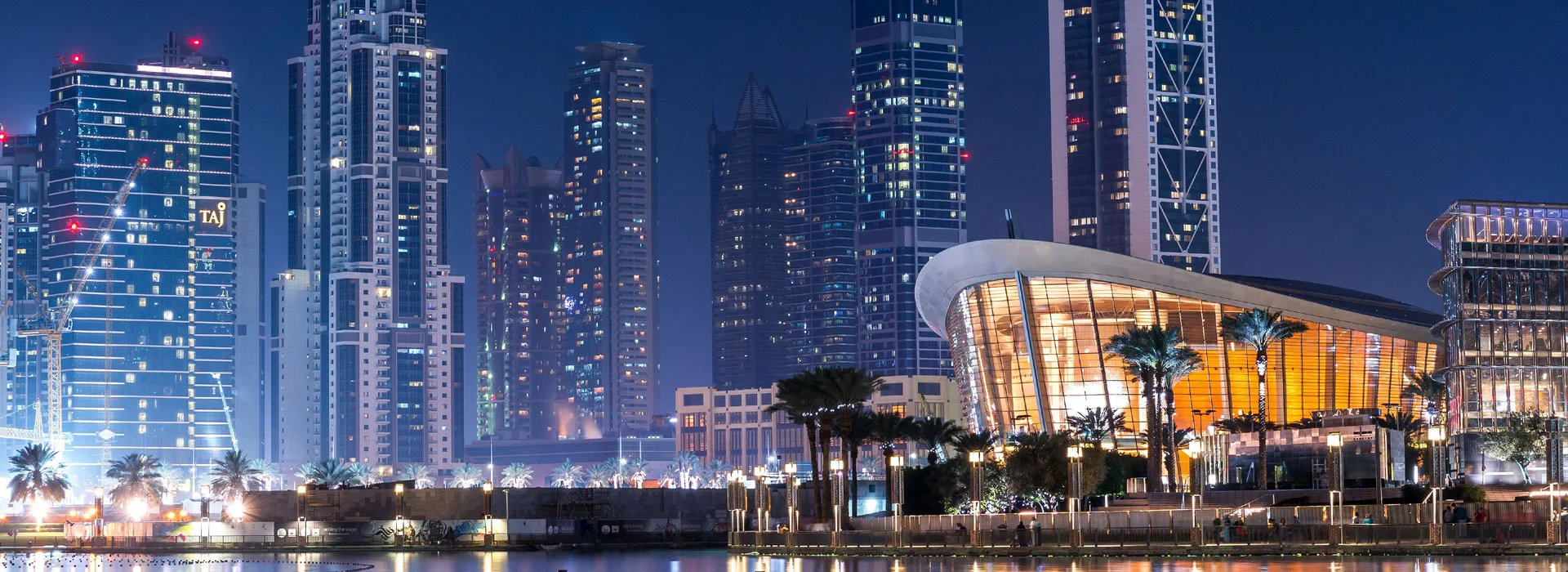
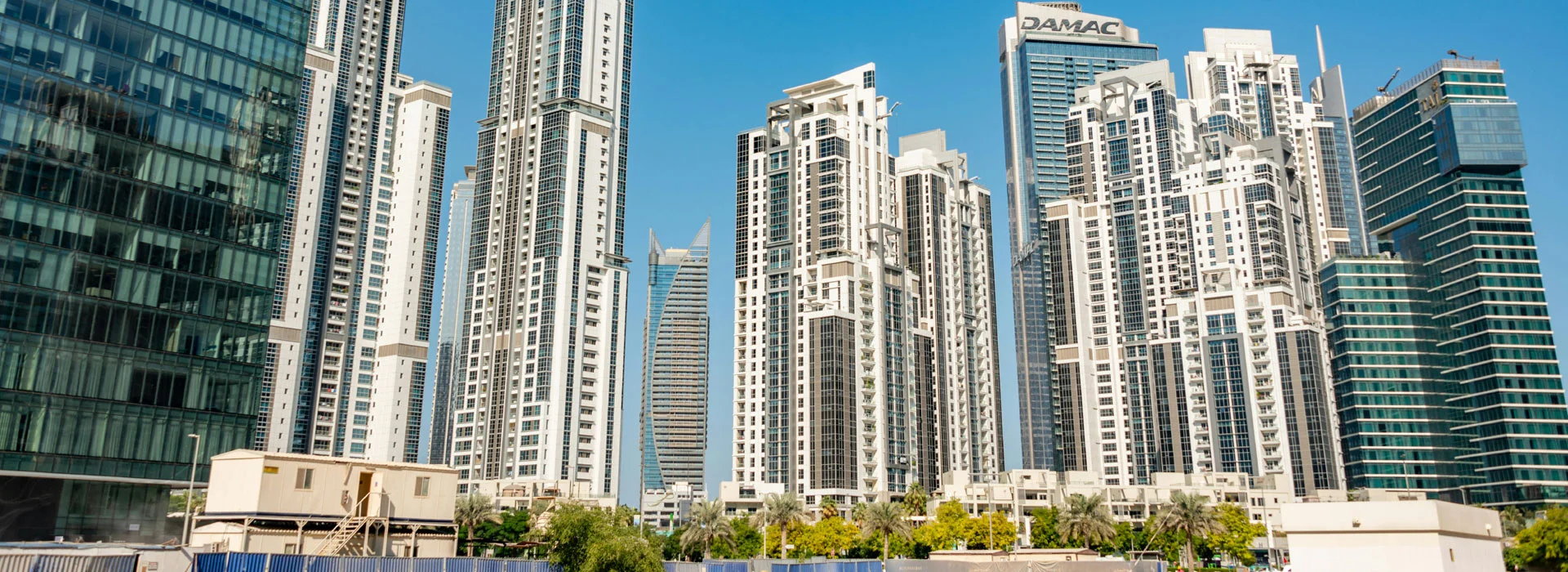
Dubai’s infrastructure story is one of the most ambitious in modern economic history. Within two generations, the emirate has built a world-class logistics network, an international aviation hub handling over 80 million passengers annually, one of the most advanced port systems in the world, and a digital infrastructure backbone that supports one of the highest internet penetration rates in the Middle East. These are not just civic assets; they are investable, income-generating infrastructure businesses that attract global institutional capital.
For capital allocators managing pension funds, endowments, or multi-generational family wealth, understanding the strategic role that Dubai infrastructure plays in long-term portfolio construction is increasingly important. This article examines the key dimensions of that role.
Why Long-Duration Assets Belong in Long-Term Portfolios
The alignment between long-duration assets and long-term capital is intuitive but worth articulating precisely. Infrastructure assets, ports, toll roads, utilities, airports, and data centers generate revenue streams that can last 25 to 50 years. This duration matches the liability profiles of pension funds, insurance companies, and multi-generational family offices, creating a natural fit that purely financial instruments cannot replicate.
- Infrastructure concessions often run 20–50 years, providing long-dated income certainty
- Essential-service monopolies reduce demand sensitivity to economic cycles
- Regulated asset bases allow capital cost recovery with predictable returns
- Physical asset backing provides residual value not present in financial claims
How Real Asset Returns Compare to Financial Portfolio Benchmarks
Real asset returns from infrastructure historically compare favorably to public equity and fixed income on a risk-adjusted basis. Studies of global infrastructure indices show that the asset class has delivered equity-like returns with bond-like volatility over long measurement periods. In a period where bond yields are rising and equity valuations are under pressure, this profile becomes even more compelling for institutional allocators building defensive investment portfolios.
- Infrastructure equity has historically delivered 8–12% total returns with lower volatility than public equities
- Inflation pass-through mechanisms preserve purchasing power in inflationary environments
- Low correlation to public markets provides genuine portfolio diversification benefit
Capital Preservation Strategies Through Dubai Infrastructure
Capital preservation strategies built around infrastructure require identifying assets with durable competitive moats, regulatory frameworks that protect investor returns, and operational teams capable of managing complex physical systems. Dubai’s infrastructure landscape offers all three. The city’s position as a global logistics hub creates structural demand for its ports and airports that is unlikely to diminish over any relevant investment horizon.
- DP World operates one of the world’s most strategically located port networks from Dubai
- Dubai Airports infrastructure serves one of the highest-volume international air hubs globally
- Digital infrastructure investment in data centers and fiber networks benefits from e-commerce growth
- Utility infrastructure tied to desalination and power generation serves inelastic demand
Defensive Investment Portfolio Construction With Infrastructure
A defensive investment portfolio is one that can weather economic downturns, inflationary shocks, and geopolitical disruptions without permanent loss of capital. Infrastructure allocations achieve this by combining income stability with inflation protection and physical collateral. Dubai-based infrastructure investments add a geographic dimension exposure to a GCC economy with significant sovereign fiscal reserves and consistent long-term growth ambition.
- Government-backed offtake agreements provide revenue certainty in early project phases
- Concession-based assets are insulated from competitive market risk
- USD-denominated revenues in UAE infrastructure reduce currency risk for international investors
Infrastructure Sectors Attracting Capital in Dubai
Not all infrastructure is equally accessible to private capital. In Dubai, the most active sectors for infrastructure investment currently include logistics, digital infrastructure, clean energy, and urban mobility. Each offers different return characteristics and entry structures, but all share the core attributes that make infrastructure attractive to long-term allocators.
- Logistics infrastructure: warehousing, cold chain, last-mile facilities tied to e-commerce growth
- Clean energy: solar and wind generation under long-term power purchase agreements
- Digital infrastructure: data centers, connectivity networks, and smart city technology
- Urban mobility: tram, metro, and autonomous transport infrastructure under concession structures
Access Structures for Infrastructure Investment in Dubai
Accessing infrastructure investment in Dubai requires understanding the available structures. Large institutional investors may participate directly in project finance deals or concession bids. Smaller allocators typically access the asset class through infrastructure funds, co-investment platforms, or listed infrastructure entities. Each structure offers different liquidity, control, and return profiles.
- Direct project finance allows customized return profiles but requires large minimum commitments
- Infrastructure funds provide diversified exposure with professional management
- Listed infrastructure vehicles offer liquidity but at the cost of public market correlation
- Co-investment alongside anchor institutions reduces fees and increases deal transparency
Frequently Asked Questions
Q1: Why is infrastructure considered a capital preservation strategy?
Infrastructure assets generate stable, long-term cash flows from essential services that people and economies depend on regardless of market conditions. Physical asset backing and inflation pass-through mechanisms help preserve real capital value over time.
Q2: What types of infrastructure can be invested in through Dubai?
Logistics, ports, aviation, digital infrastructure, clean energy, utilities, and urban mobility are the primary investable categories. Many involve government concession or partnership structures.
Q3: How does infrastructure investment protect against inflation?
Most infrastructure contracts include inflation escalation clauses that link revenues to CPI or commodity price indices. This means infrastructure income grows in real terms during inflationary periods, preserving purchasing power.
Q4: Is infrastructure investment in Dubai accessible to international investors?
Yes. DIFC and ADGM structures allow international investors to access Dubai infrastructure through fund or co-investment vehicles. USD-denominated revenues and strong sovereign backing make the market relatively accessible.
Conclusion
Infrastructure investment in Dubai sits at a privileged intersection: a world-class asset class deployed in one of the world’s most strategically positioned economies. For long-term capital seeking preservation without sacrificing return, the combination is difficult to improve upon. As Dubai continues to invest in its economic diversification agenda, expanding logistics, digital, clean energy, and mobility infrastructure, the investment pipeline for patient, long-horizon capital will only deepen. Getting positioned ahead of that pipeline is the strategic imperative for institutional allocators who understand where durable returns are built.
Ready to explore strategic investment opportunities in the UAE and beyond? Connect with Mangena Capital‘s expert team to discover how we can help you access institutional-quality deal flow.