
Table of Contents
Infrastructure investment Dubai stands at the core of how serious capital platforms build long-term, resilient portfolios. In a city that has transformed from a modest trading port to one of the world’s most advanced urban centres in a matter of decades, infrastructure is not merely an asset class it is the physical foundation upon which economic value is created and sustained.
For Mangena Capital, infrastructure investment represents the highest expression of the platform’s philosophy: deploying proprietary capital into tangible, essential assets that generate predictable cash flows, appreciate over long time horizons, and serve as the backbone of economic development. This is not opportunistic investing. It is structural, patient, and deeply considered.
Why Infrastructure Commands Capital
Infrastructure assets possess a set of characteristics that make them uniquely attractive to long-term capital. They are essential roads, bridges, power plants, water treatment facilities, ports, airports, and telecommunications networks are required for an economy to function. This essentiality creates demand that is insensitive to business cycles in a way that few other asset classes can claim.
They are long-lived. Infrastructure assets typically have useful lives measured in decades, providing cash flow streams that extend well beyond the horizons of conventional investment vehicles. A toll road built today will generate revenue for forty years or more. A power plant will produce electricity for twenty-five years. This longevity aligns naturally with the patient capital model of a proprietary platform.
They are often regulated or contracted. Many infrastructure assets operate under regulatory frameworks or long-term concession agreements that provide revenue visibility and protection against competitive displacement. A water utility operating under a government concession generates revenue based on tariffs approved by the regulator, insulating it from the market competition that affects other sectors.
They provide inflation protection. Infrastructure revenues are frequently linked to inflation through tariff escalation clauses, regulatory rate-setting mechanisms, or the inherent pricing power of essential services. In an inflationary environment, this linkage protects real returns and preserves purchasing power.
The Dubai Infrastructure Landscape
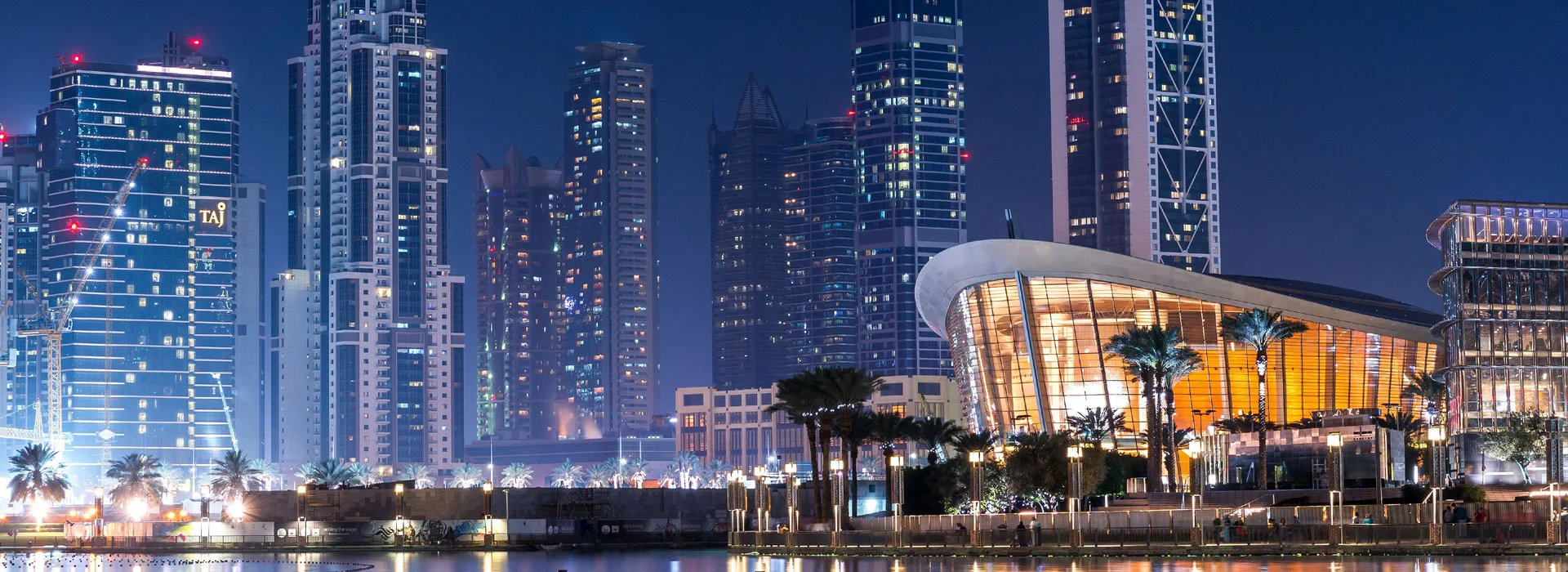
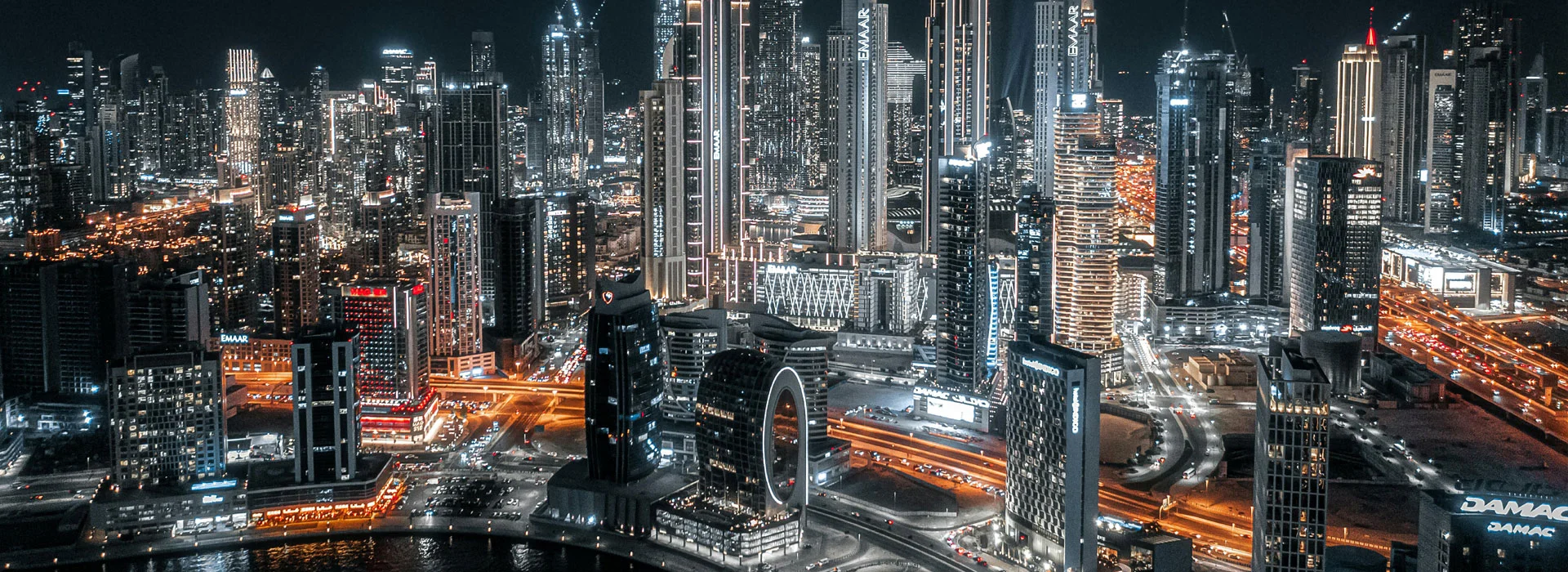
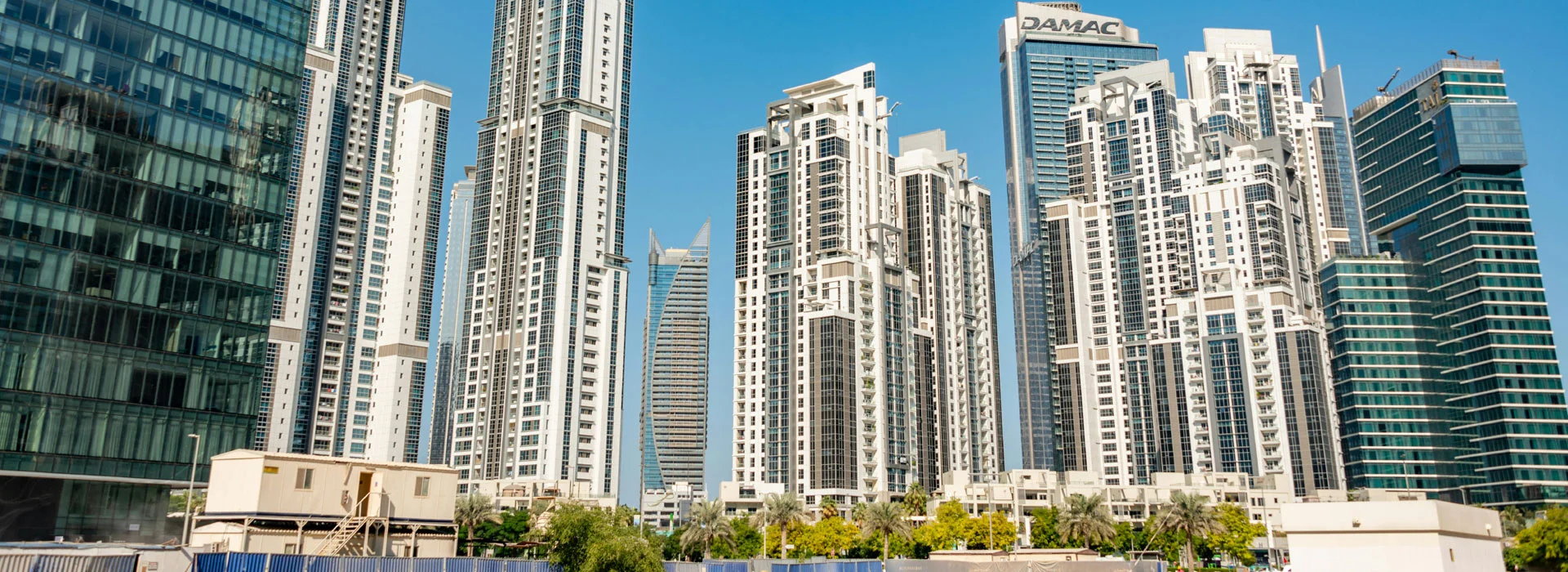
Dubai’s infrastructure investment landscape is defined by ambition, execution capability, and a long-term development vision. The emirate has consistently invested ahead of demand building airports, metro systems, road networks, and utility infrastructure that anticipate future growth rather than merely responding to current needs.
This forward-looking approach creates distinct opportunities for infrastructure investment Dubai platforms. When a new corridor is developed such as Dubai South, the logistics hub surrounding Al Maktoum International Airport the associated infrastructure development generates opportunities for private capital participation in everything from utility networks to transportation systems.
The UAE’s national infrastructure agenda extends beyond Dubai. Abu Dhabi’s Masdar City, the Northern Emirates’ industrial development programmes, and the country’s ambitious renewable energy targets all represent infrastructure investment opportunities accessible from a Dubai base.
At the regional level, the GCC’s collective infrastructure spending running into hundreds of billions of dollars across transportation, energy, water, and digital infrastructure creates a pipeline of opportunities that will take decades to fully realise.
Sectors Within Infrastructure
Infrastructure investment Dubai encompasses several sub-sectors, each with distinct risk-return characteristics.
Transportation infrastructure includes roads, railways, ports, and airports. These assets benefit from traffic growth linked to economic development and population expansion. Revenue models vary from direct user charges (tolls, fares) to availability-based payments from government entities. The revenue model significantly affects the asset’s risk profile, with availability-based models providing more predictable cash flows and traffic-based models offering greater upside potential.
Energy infrastructure spans conventional power generation, renewable energy, and the transmission and distribution networks that connect generators to consumers. The UAE’s commitment to diversifying its energy mix including a target of generating thirty per cent of electricity from clean sources is driving significant investment in solar, nuclear, and energy storage infrastructure. For a platform pursuing infrastructure investment Dubai, the energy transition represents a multi-decade investment theme.
Water and environmental infrastructure includes desalination plants, wastewater treatment facilities, and solid waste management systems. In a region where freshwater scarcity is a permanent reality, water infrastructure carries strategic importance that supports both investment returns and government prioritisation.
Digital infrastructure data centres, fibre optic networks, and telecommunications towers represents the newest frontier of infrastructure investment. The exponential growth in data consumption, cloud computing, and digital services is creating demand for physical digital infrastructure that mirrors the demand growth historically seen in transportation and energy.
Social infrastructure encompasses healthcare facilities, educational institutions, and government buildings. These assets are typically funded through public-private partnership (PPP) structures that provide long-term, government-backed revenue streams.
How Mangena Capital Approaches Infrastructure
Mangena Capital’s approach to infrastructure investment Dubai is defined by selectivity, rigour, and structural discipline.
The platform focuses on assets that are essential, contracted, and located in jurisdictions with credible regulatory frameworks. It avoids construction risk where possible, preferring to invest in operational or near-operational assets where the cash flow profile is observable and verifiable. Where construction-stage investment is warranted typically when the return premium justifies the additional risk the platform structures its commitment with milestone-based capital releases and robust contractor performance guarantees.
Financial modelling for infrastructure investments is scenario-intensive. The platform models base case, downside, and severe downside scenarios across key variables: demand growth, tariff escalation, operating cost inflation, interest rates, and currency movements. The investment must demonstrate resilience across all scenarios, not just attractiveness in the base case.
Structuring reflects the platform’s emphasis on downside protection. Preferred equity positions, senior secured lending, and structured subordination are used to ensure that the platform’s capital occupies a protected position in the capital structure. Governance rights including board representation, consent requirements for material decisions, and information rights provide oversight that enables early intervention if performance deviates from expectations.
The Long-Term Value Creation Thesis
Infrastructure investment Dubai is not about generating quick returns. It is about building a portfolio of essential assets that compound value over decades. The cash flows generated by a well-selected infrastructure portfolio are remarkably stable, and the assets themselves tend to appreciate as the economies they serve grow and develop.
For Mangena Capital, this long-term perspective is not merely a preference it is a structural advantage. Operating on proprietary capital with no fund lifecycle constraints, the platform can hold infrastructure assets through full maturity, capturing the compounding effect of steady cash flows and gradual capital appreciation that shorter-duration vehicles miss.
Conclusion
Infrastructure investment Dubai represents the bedrock of a disciplined, long-term capital mandate. The asset class offers a combination of essentiality, longevity, cash flow predictability, and inflation protection that is unmatched by any other investment category.
For platforms operating from Dubai with access to one of the world’s most ambitious infrastructure development pipelines and a regulatory environment designed to facilitate private capital participation the opportunities are substantial and enduring. The platform that approaches these opportunities with rigour, patience, and structural discipline is positioned to build a portfolio that generates value not just for years, but for generations.