
Table of Contents
Oil and gas investment Dubai occupies a unique position in the global energy landscape. The emirate, situated within one of the world’s most prolific hydrocarbon regions, has built a financial and commercial ecosystem that extends far beyond its own production base. Dubai functions as the operational and capital hub for energy transactions spanning the Middle East, North Africa, Central Asia, and sub-Saharan Africa.
For a proprietary capital platform operating from Dubai, the energy sector presents opportunities across the entire value chain from upstream exploration and production to midstream infrastructure and downstream processing. Navigating this value chain requires not only financial acumen but deep technical understanding, jurisdictional expertise, and the patience to underwrite investments that may take years to reach full productivity.
The Energy Sector in Context
The global energy sector is undergoing a transformation that is simultaneously structural and cyclical. The long-term trajectory points toward diversification a gradual reduction in hydrocarbon dependence as renewable energy sources scale. But the medium-term reality is that oil and gas remain indispensable. Global demand for liquid hydrocarbons continues to grow in absolute terms, driven by developing economies where urbanisation, industrialisation, and population growth are accelerating energy consumption.
This creates a paradox that informs oil and gas investment Dubai. On one hand, long-term capital is cautious about committing to assets that may face stranded risk as the energy transition accelerates. On the other hand, years of underinvestment in upstream development have created a supply deficit that is likely to persist for the better part of a decade. For a disciplined investor, this supply-demand imbalance represents an opportunity to acquire high-quality assets at valuations that reflect transition anxiety rather than fundamental value.
Upstream Opportunities
Upstream oil and gas investment exploration and production is where the value chain begins and where the risk-return profile is most pronounced. Exploration-stage assets carry significant geological risk but offer transformative upside if commercial discoveries are made. Development-stage assets have de-risked the geological question but face execution risks related to construction, permitting, and commissioning. Producing assets generate immediate cash flow but require careful assessment of decline curves, operating costs, and remaining reserves.
A proprietary capital platform approaching upstream oil and gas investment Dubai evaluates each stage through a distinct analytical lens. For exploration, the platform assesses geological prospectivity, the quality of seismic data, the operator’s technical capability, and the fiscal terms governing any potential discovery. The platform typically limits exploration exposure to a small fraction of its resource allocation, recognising that the binary nature of exploration risk demands position sizing discipline.
For development and production assets, the analysis shifts to financial modelling, cost assessment, and reserve engineering. The platform builds production profiles based on independent reserve estimates, applies conservative commodity price decks, and stress-tests returns across scenarios that include price declines, cost overruns, and production delays. Only assets that demonstrate attractive returns under pessimistic assumptions receive capital commitments.
Midstream and Infrastructure
The midstream segment pipelines, storage, processing facilities, and transportation infrastructure offers a different risk-return profile from upstream assets. Midstream investments typically generate stable, fee-based cash flows underpinned by long-term contracts with upstream producers or downstream off-takers.
For oil and gas investment Dubai, midstream infrastructure presents an attractive opportunity to participate in the energy value chain with reduced commodity price exposure. A pipeline that charges a tariff per barrel transported generates revenue regardless of whether oil is priced at fifty dollars or one hundred. This fee-based model provides cash flow visibility and downside protection that upstream investments cannot match.
The challenge with midstream investing is that quality assets are often controlled by state-owned enterprises or major international operators, limiting access for private capital. However, in frontier and emerging markets particularly in Africa and Central Asia there are opportunities for private platforms to finance, develop, and operate midstream infrastructure in partnership with government entities and upstream operators.
Downstream and Processing
Downstream oil and gas investment encompasses refining, petrochemicals, and distribution. These segments are capital-intensive and cyclically sensitive, but they also offer exposure to the value-added transformation of raw hydrocarbons into finished products that command premium pricing.
In the Gulf region, downstream investment has been a strategic priority for decades. The UAE, Saudi Arabia, and Qatar have invested heavily in refining capacity and petrochemical complexes that convert domestic hydrocarbons into exportable products. For a platform based in Dubai, downstream opportunities may include minority stakes in processing facilities, off-take agreements, or infrastructure supporting the distribution of refined products to growing markets.
The platform approaches downstream investments with particular attention to margin analysis. Refining and petrochemical margins are sensitive to crude oil prices, product demand, and competitive dynamics. A disciplined platform models these variables across multiple scenarios before committing capital.
Dubai as an Energy Capital Hub
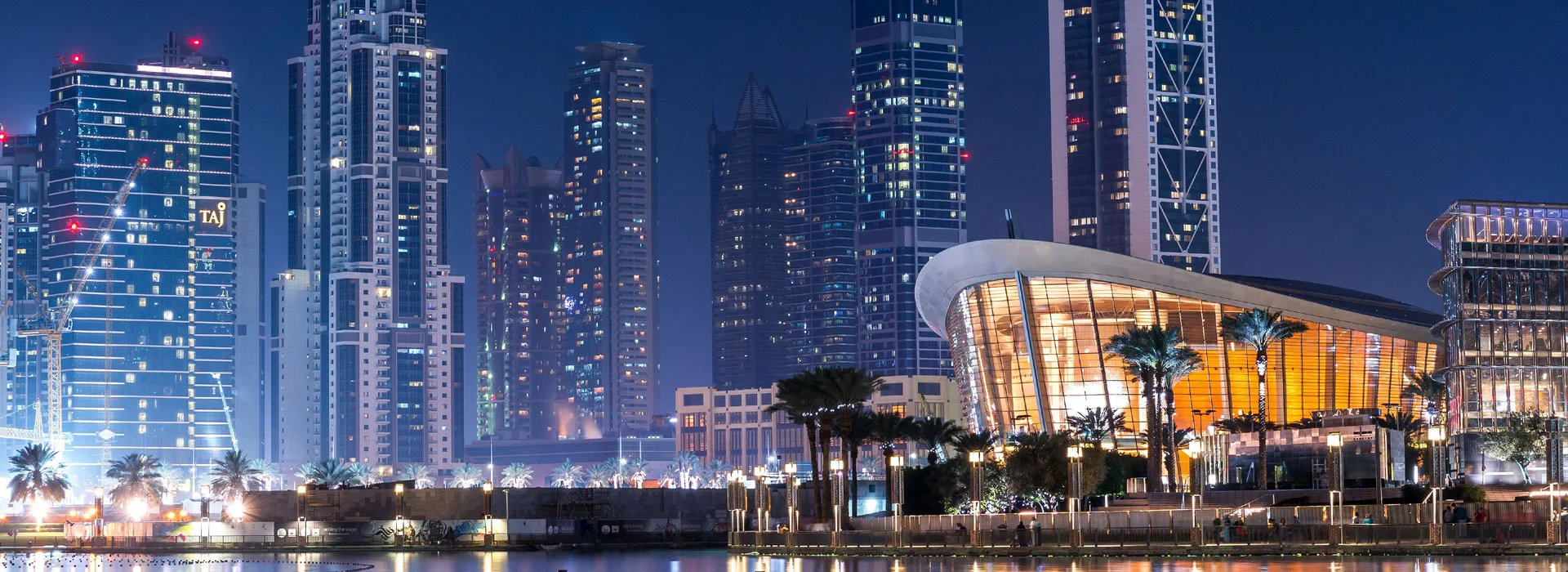
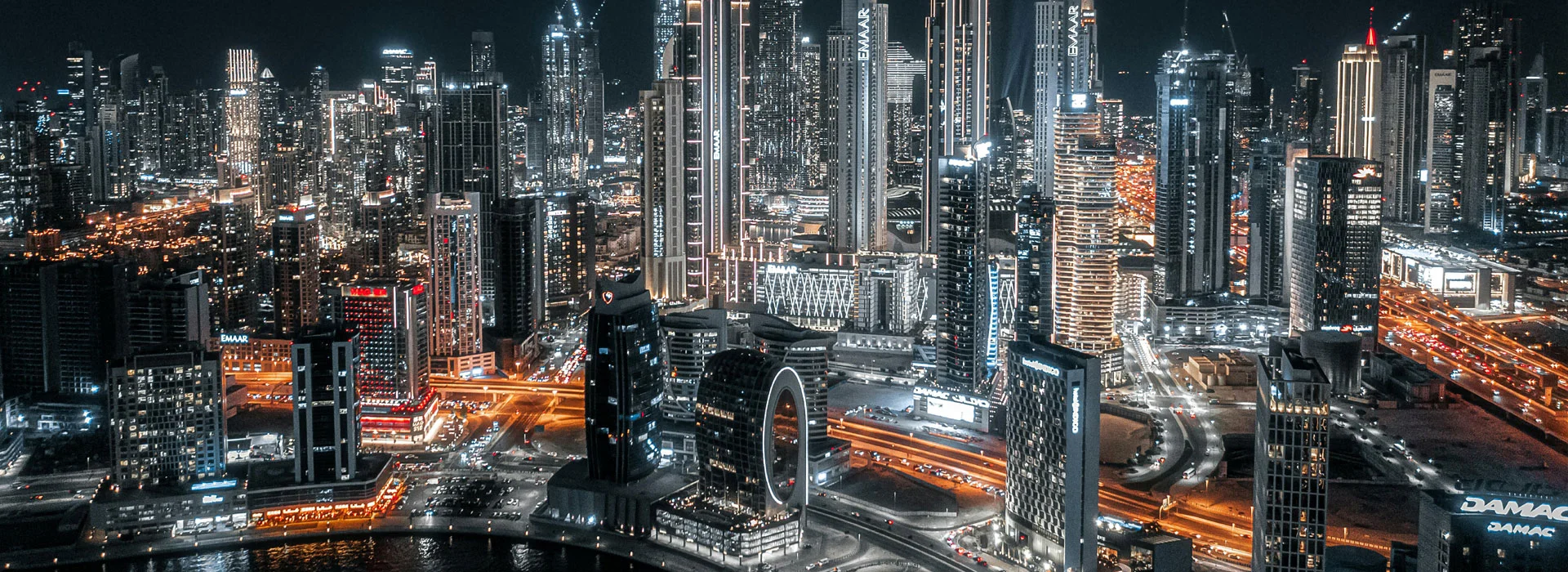
Dubai’s role in oil and gas investment is multifaceted. The city hosts regional headquarters for many of the world’s largest energy companies, creating an ecosystem of technical expertise, commercial relationships, and deal flow. The Dubai Multi Commodities Centre (DMCC) has become a major centre for energy trading, while the DIFC provides the financial infrastructure for structuring energy investment vehicles.
The UAE’s diplomatic relationships across the Middle East, Africa, and Asia facilitate access to energy opportunities that might not be available to platforms based in other jurisdictions. Government-to-government relationships, trade agreements, and diplomatic channels create pathways for private capital to participate in energy projects alongside sovereign entities.
Managing the Energy Transition
Any serious discussion of oil and gas investment Dubai must address the energy transition. The platform does not ignore the long-term trajectory toward lower-carbon energy systems. Instead, it incorporates transition risk into its underwriting framework.
In practical terms, this means favouring assets with lower lifting costs and longer reserve lives assets that remain economically viable even in a world of structurally lower oil prices. It means evaluating natural gas opportunities, which benefit from the transition’s emphasis on displacing coal with cleaner-burning fuels. It means considering the optionality embedded in energy infrastructure that can serve both hydrocarbon and renewable energy systems.
The platform also recognises that the energy transition creates opportunities alongside risks. Carbon capture and storage, hydrogen production, and LNG infrastructure are emerging segments where the skills and capital required for oil and gas investment can be redeployed. A platform with deep energy expertise is well-positioned to identify and capitalise on these opportunities as they mature.
Conclusion
Oil and gas investment Dubai provides access to one of the world’s most significant and enduring asset classes. The sector’s scale, complexity, and cyclicality demand a rigorous, technically informed approach one that evaluates opportunities across the full value chain and underwrites with the discipline that proprietary capital requires.
For platforms operating from Dubai, the energy sector is not merely an investment opportunity. It is the foundational asset class around which the region’s economy and financial infrastructure have been built. Understanding how to navigate this sector its risks, its cycles, and its evolving dynamics is essential to deploying capital effectively from the Gulf.